Quest Multi-Account
How customer research changed our approach to personal and work accounts on Meta Quest.
The context
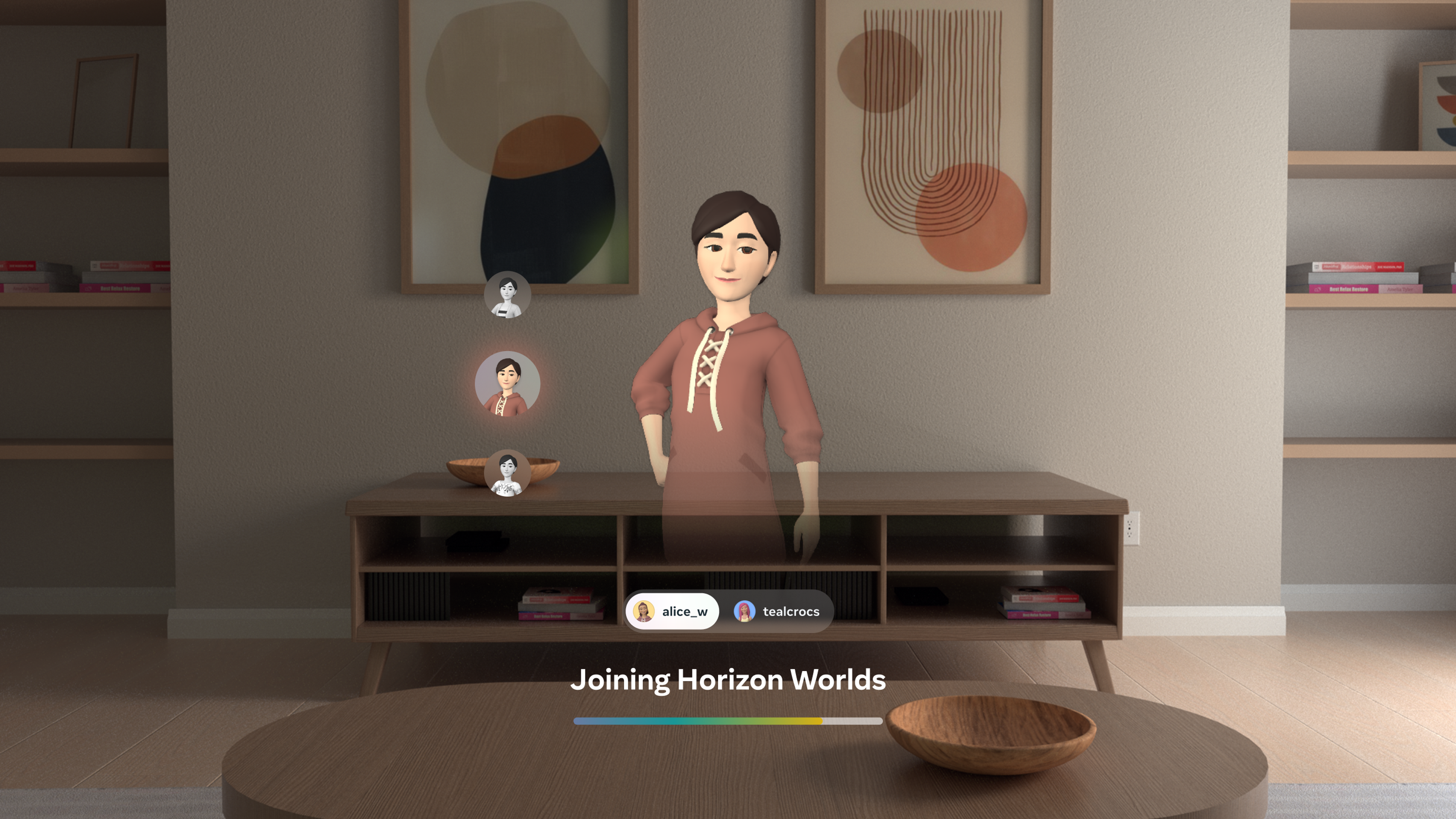
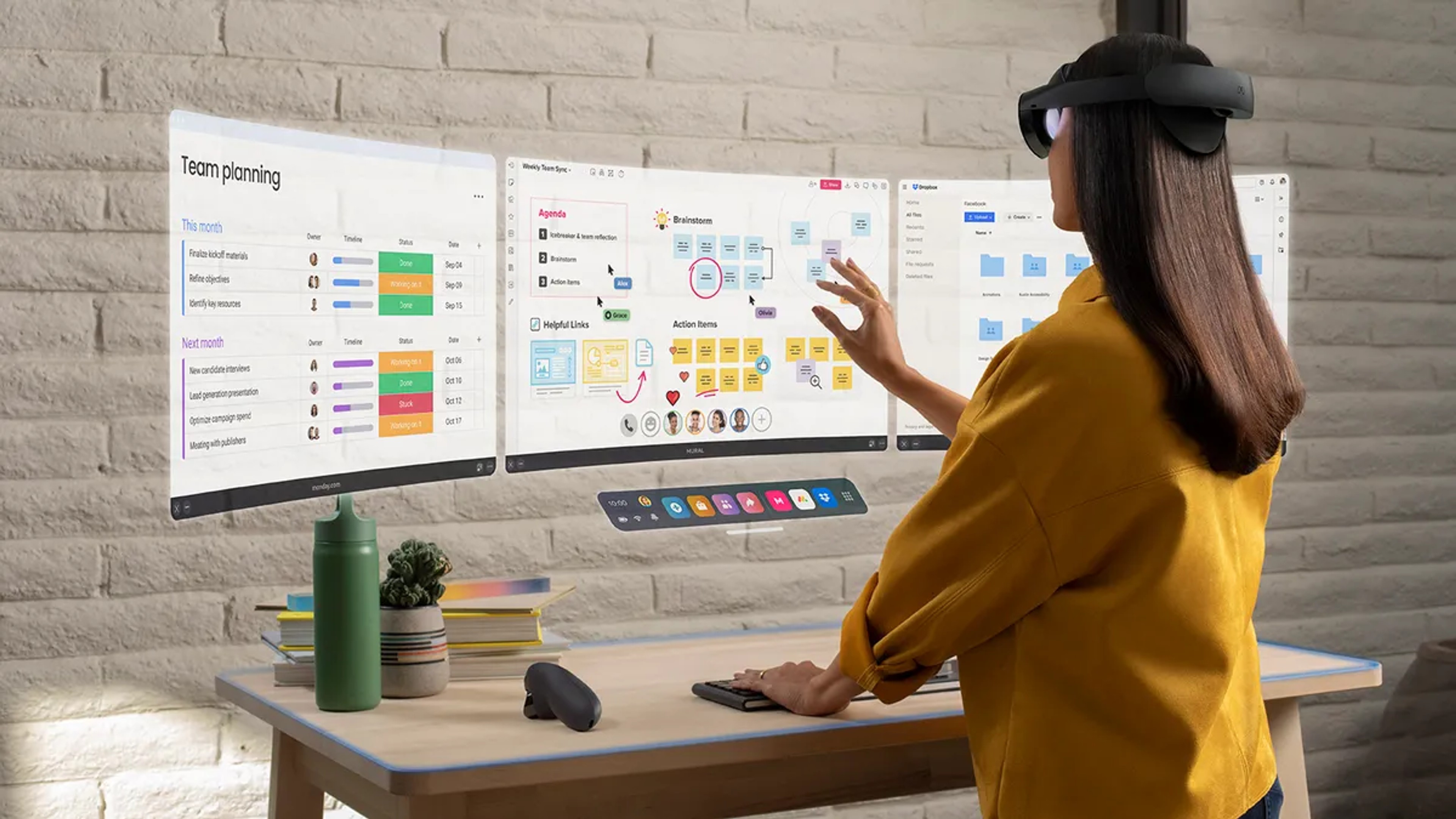
Meta Quest was originally designed as a personal device. As more companies started using it for work, we needed to support both personal and work accounts on the same headset.
This created a new problem. A person might use the headset to play games at home and then use the same device for meetings or collaboration at work. We needed to decide how people would move between these two identities.
The initial direction
The first direction was called Soft Switch. With Soft Switch, both accounts would stay active in the background. A person could move between their personal and work accounts quickly, without fully signing out.
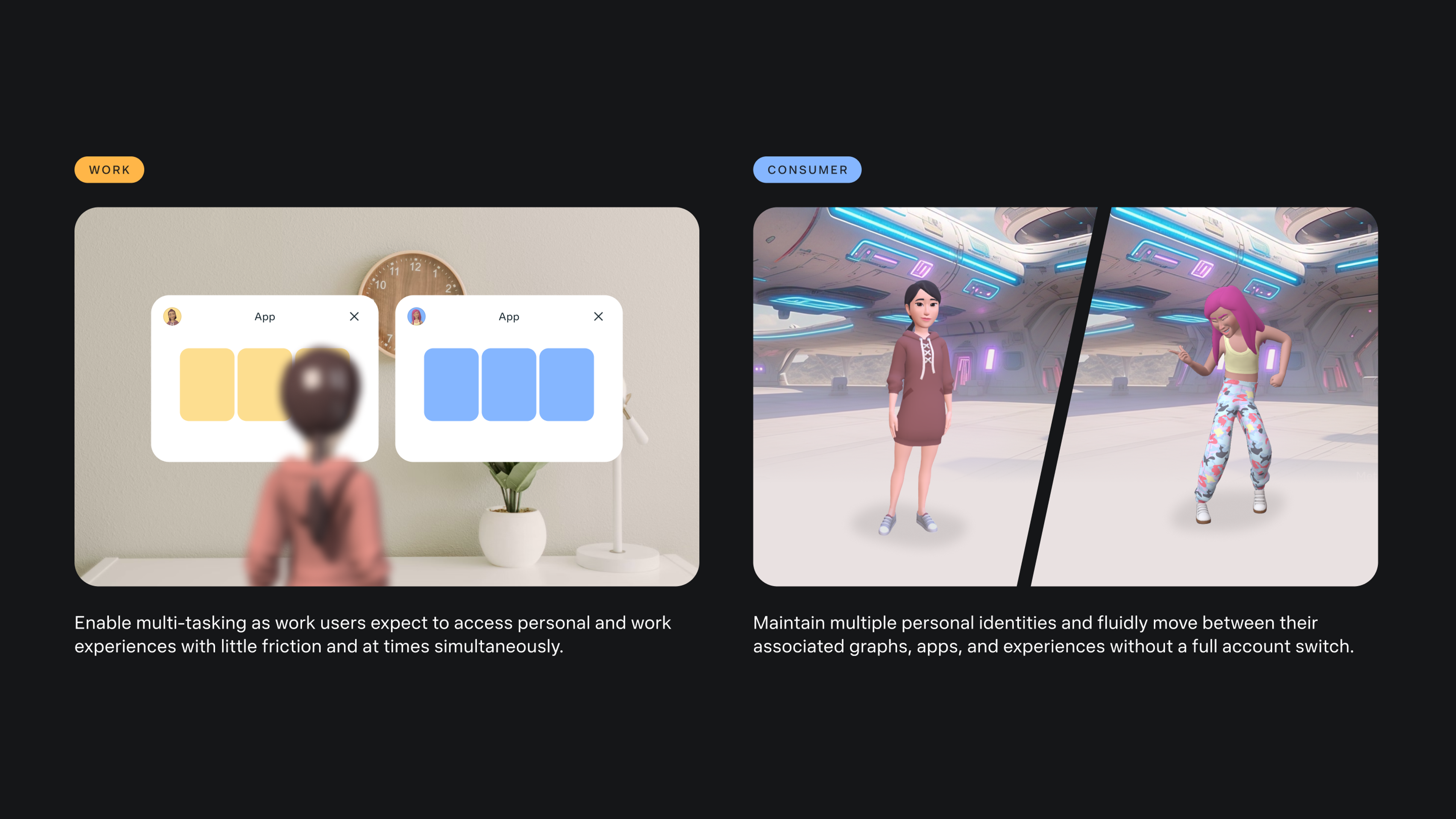
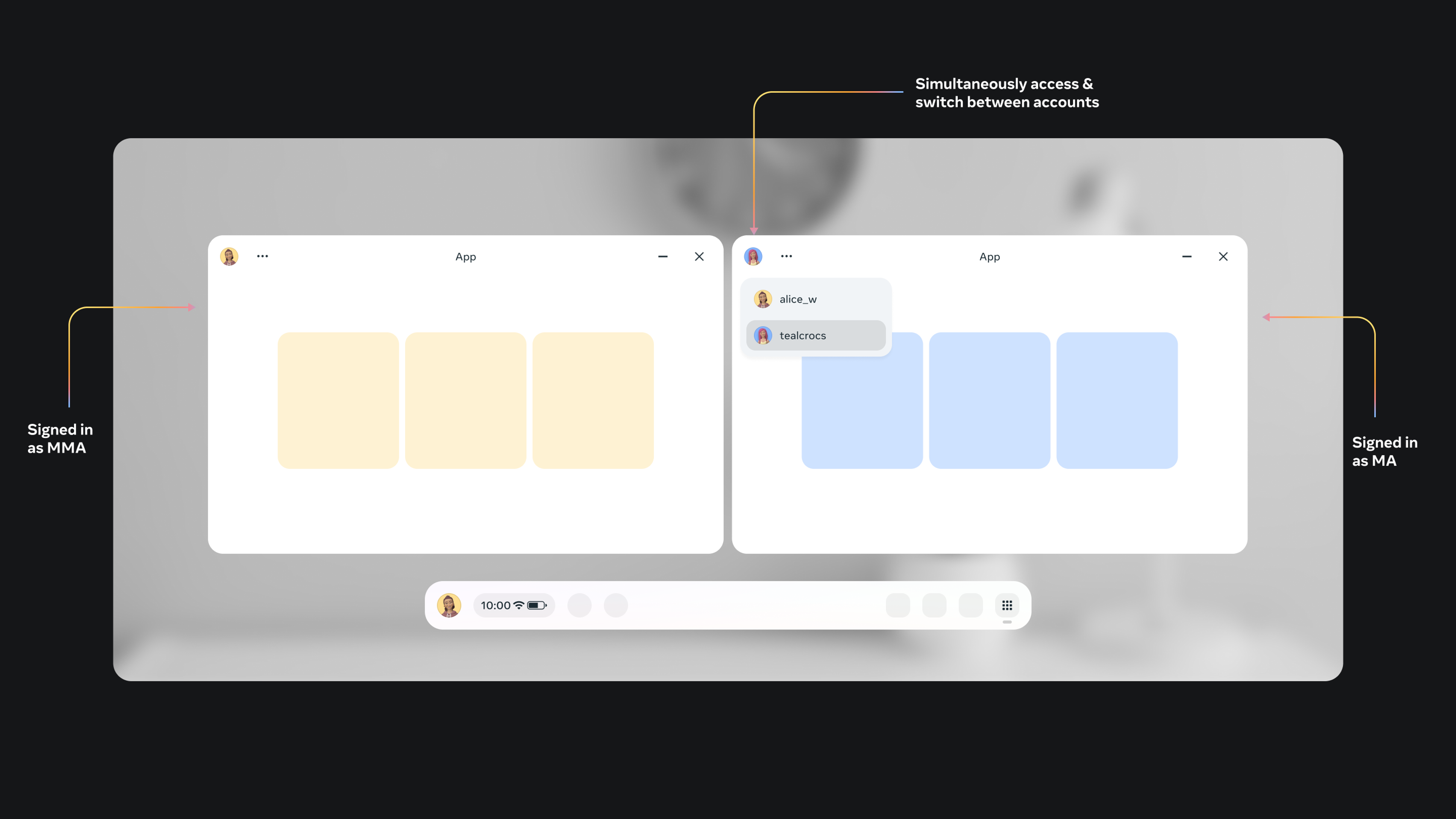
This direction felt modern and convenient. It reduced the number of steps and made switching feel almost invisible. Leadership preferred this option because it created a smoother experience. But I was concerned that it could also create confusion.
A person might not always know which account was active. They could open a personal application while using their work identity, or bring personal information into a professional context by mistake. For an identity experience, this kind of mistake could damage trust.
Reframing the problem
The team was initially asking how we could make switching as fast as possible, but I believed we needed to ask a different question:
"How could we make sure that people always understood which identity they were using?"
This changed the focus of the project. Speed was still important, but it was no longer the only measure of a good experience. We also needed to consider privacy, control and confidence.
What we learned
I worked with the research team to study how people thought about using personal and work accounts on the same headset. We spoke with participants in the United States, Europe and Japan.
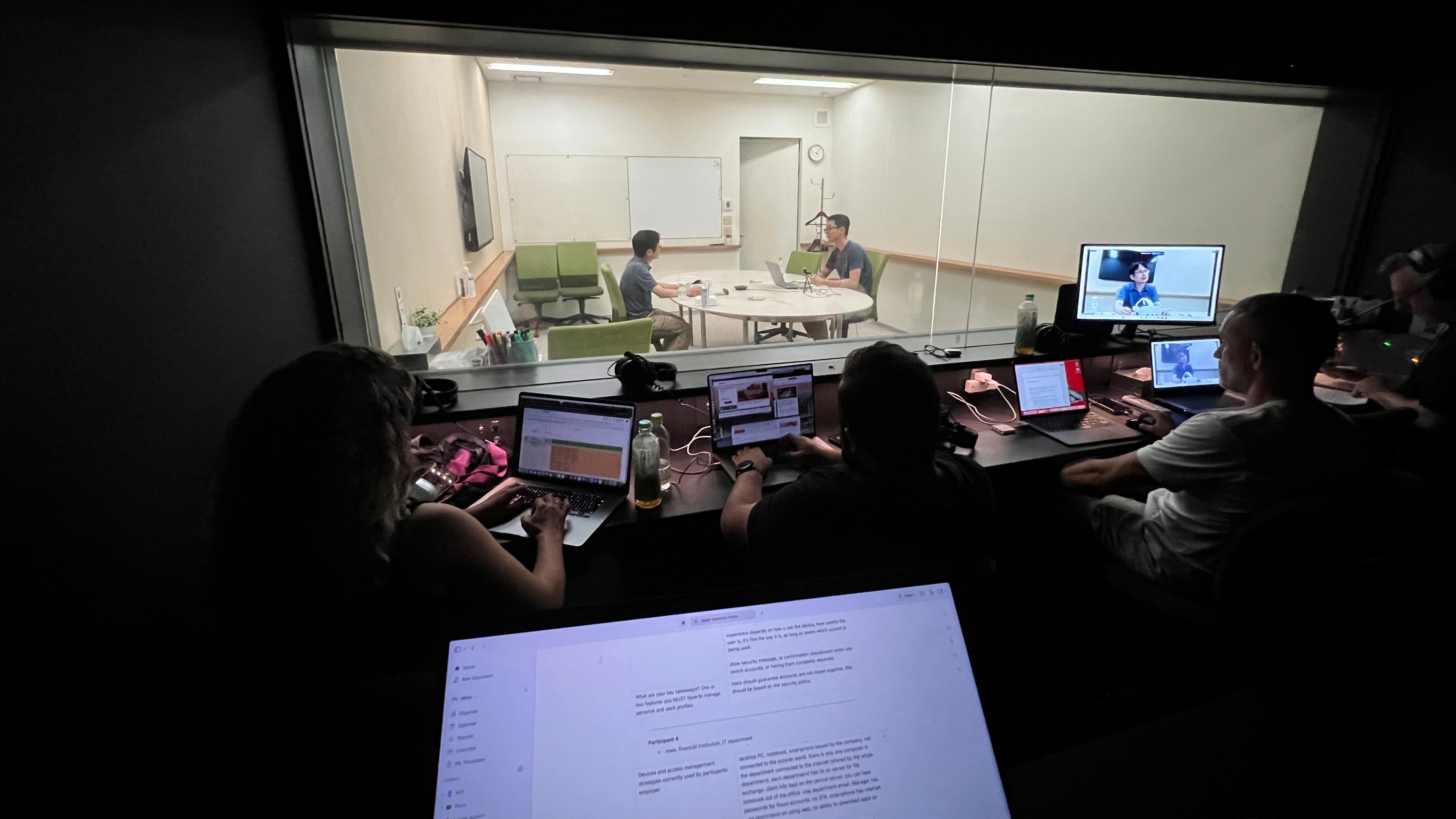
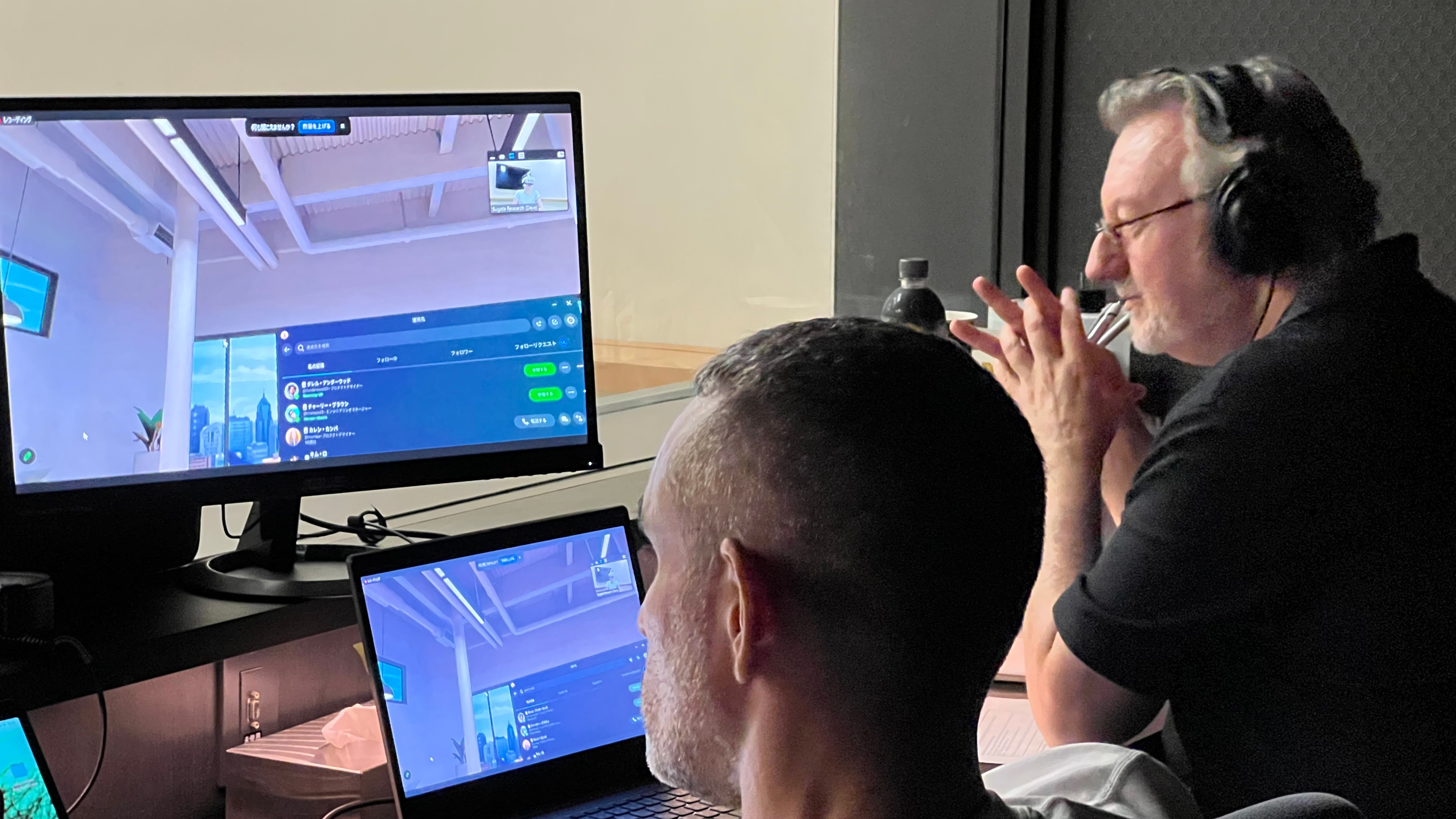
Across all three markets, people wanted a clear separation between their personal and work identities. They wanted to know when they had left one account and entered another. This concern was especially strong in Japan. Participants were worried that personal content could appear in a work environment, or that their employer might have access to information from their personal account.
The research showed that people were willing to accept a slightly slower experience if it gave them more confidence and control. They did not want switching to be invisible. They wanted the system to clearly show which identity was active.
The alternative direction
Based on this research, I recommended a different approach called Hard Switch.
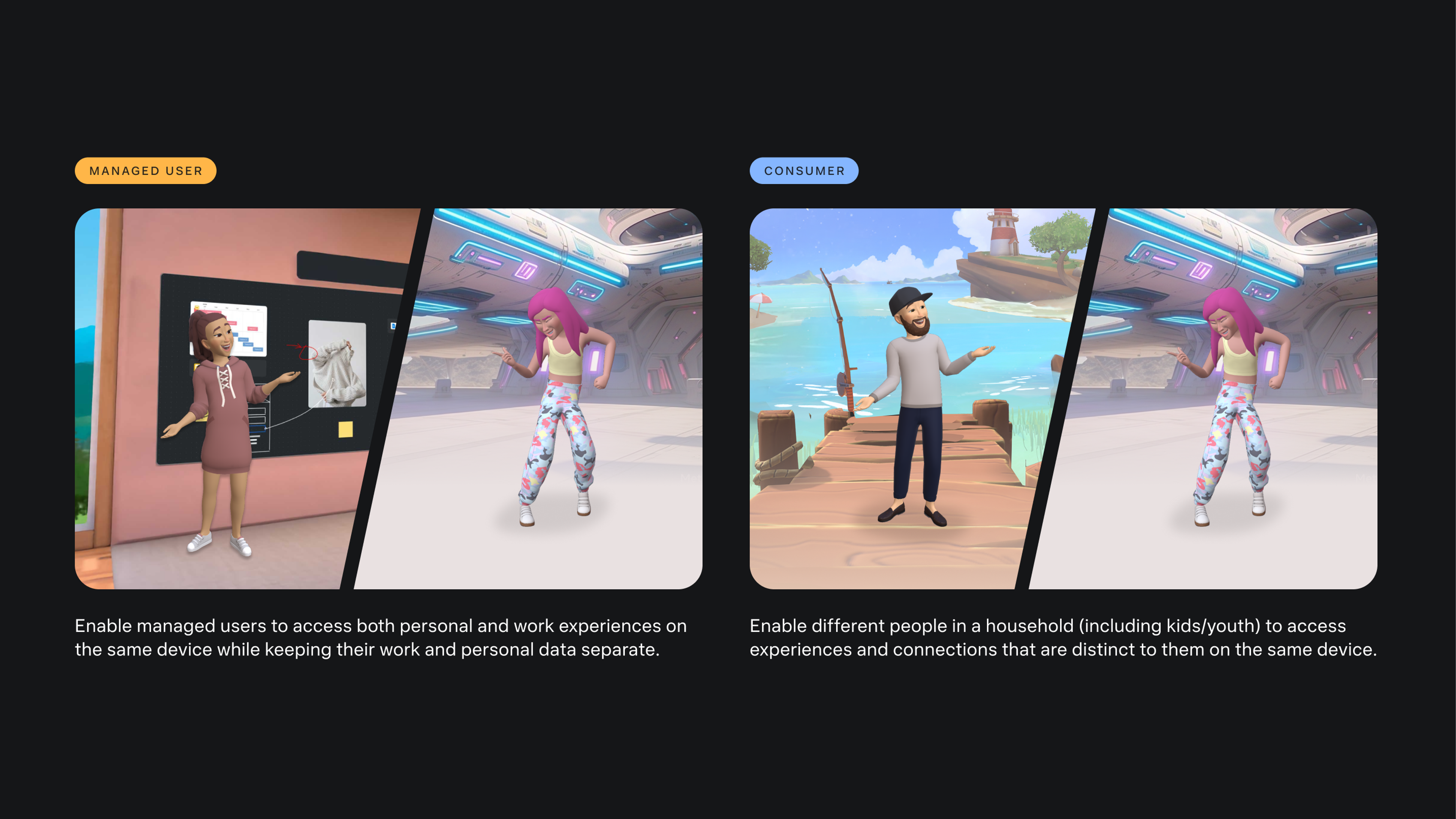
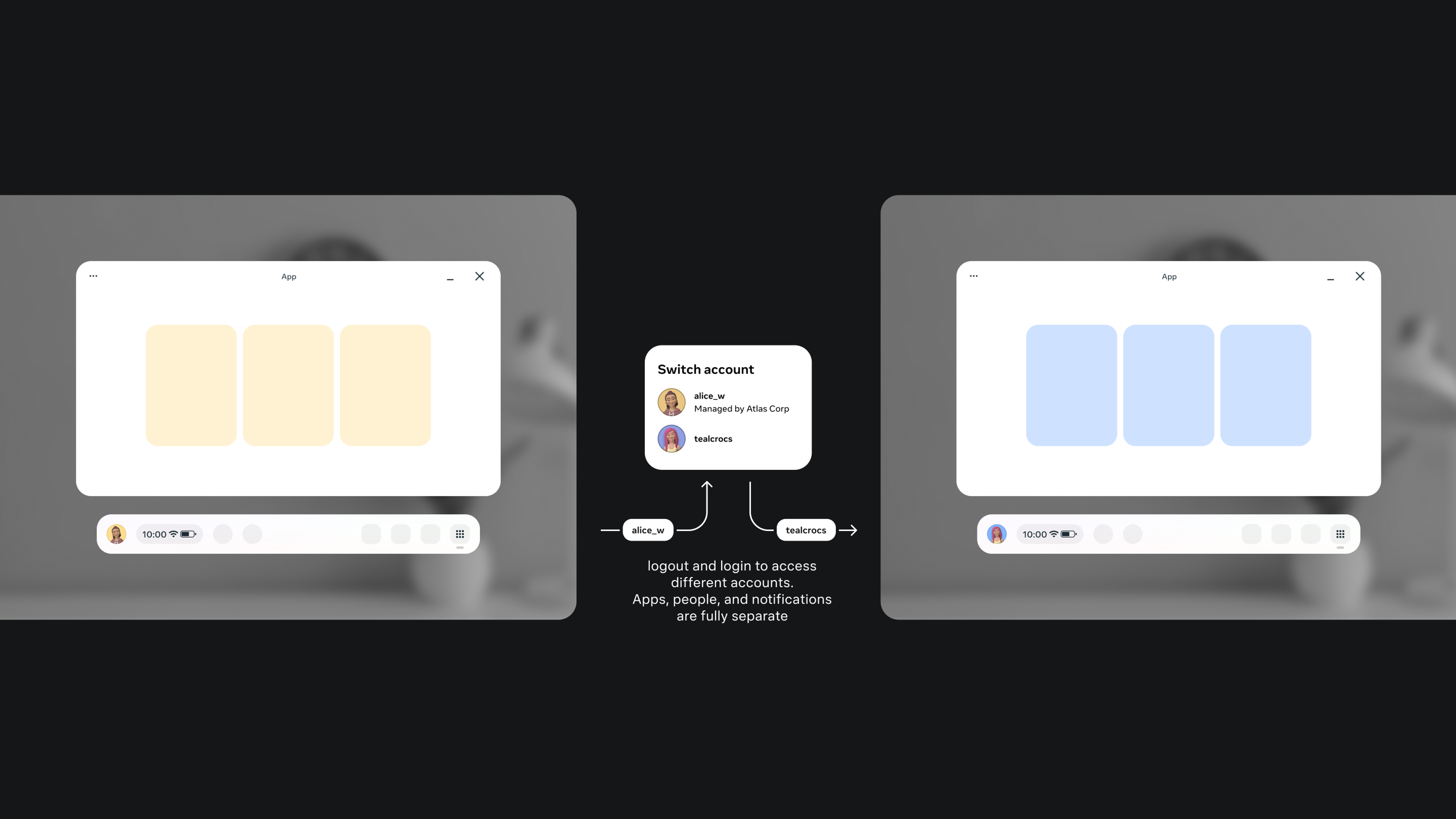
With Hard Switch, a person would fully leave one account before entering the other. The transition would be more visible and would take slightly longer. This approach was less seamless, but it made the identity boundary clear. It also used more of the technical system that already existed. Soft Switch would have required the engineering team to rebuild a large part of how account sessions worked across the operating system. Hard Switch gave us a simpler and safer foundation.
The decision
I presented the research findings and the technical trade-offs to leadership.
I did not argue that Soft Switch was a bad long-term idea. I explained that it depended on an assumption that we had not proven. We had assumed that people cared more about switching speed than identity separation.
The research showed the opposite. I recommended that we first create a model that people could understand and trust. We could then improve the speed of switching later, without weakening the separation between personal and work accounts.
Leadership agreed to change direction, and the team moved forward with Hard Switch.
The outcome
The final experience made the active identity clear. People had to consciously leave one account before entering another. This reduced the risk of acting under the wrong identity or sharing information in the wrong context. The decision also helped the team avoid a large and complex rebuild of the account system. The principles from this work were later used by other teams working on identity across the operating system.
The most important outcome was not the switching screen itself. It was a clearer way to think about personal and professional identity on a shared device.
What I learned
This project changed how I think about friction in product design. Removing steps does not always create a better experience. Sometimes an extra step helps people understand what the system is doing. In this case, the visible transition gave people confidence that one identity had ended before another began.
The long-term goal was still to make switching faster. But we decided that speed should not come at the cost of clarity and trust.